




How Air Vents Light Contributes to Energy Efficiency in Vehicles
Release time:
2026-04-15
How Air Vents Light Contributes to Energy Efficiency in Vehicles Table of Contents Introduction to Air Vents Light in Vehicles What is Air Vent Lighting? The Importance of Energy Efficiency in Vehicles How Air Vent Lighting Works Benefits of Air Vent Lighting for Energy Efficiency Design Considerations for Air Vent Lighting Systems The Future of Air Vent Lighting i

How Air Vents Light Contributes to Energy Efficiency in Vehicles
Table of Contents
- Introduction to Air Vents Light in Vehicles
- What is Air Vent Lighting?
- The Importance of Energy Efficiency in Vehicles
- How Air Vent Lighting Works
- Benefits of Air Vent Lighting for Energy Efficiency
- Design Considerations for Air Vent Lighting Systems
- The Future of Air Vent Lighting in Automobiles
- FAQs on Air Vents Light and Energy Efficiency
- Conclusion: The Impact of Air Vent Lighting on Energy Efficiency
Introduction to Air Vents Light in Vehicles
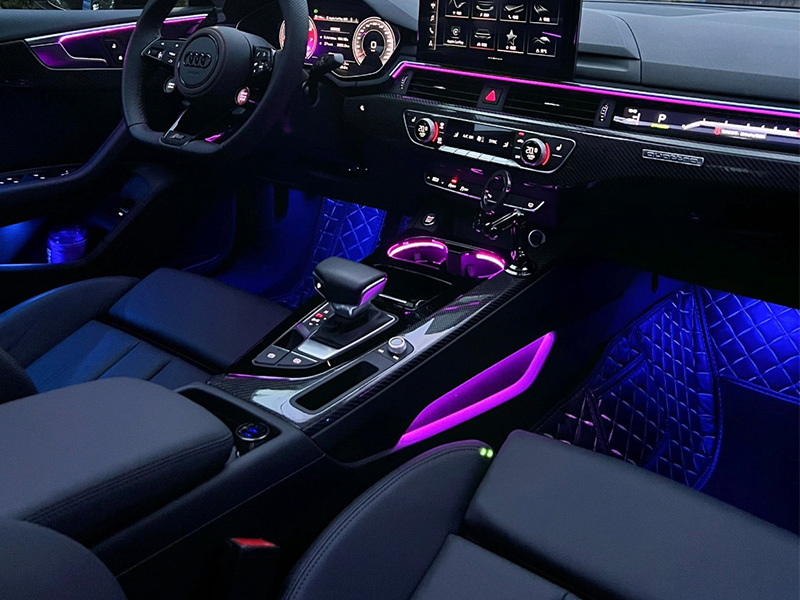
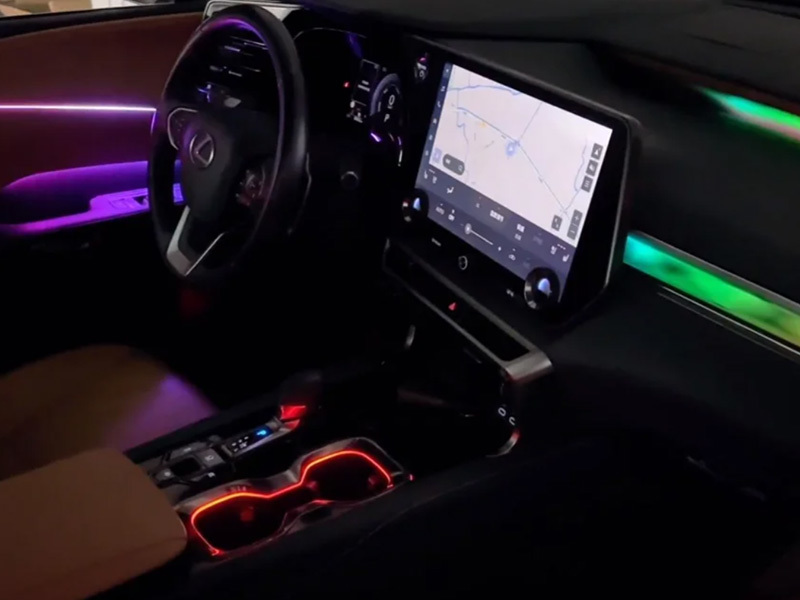
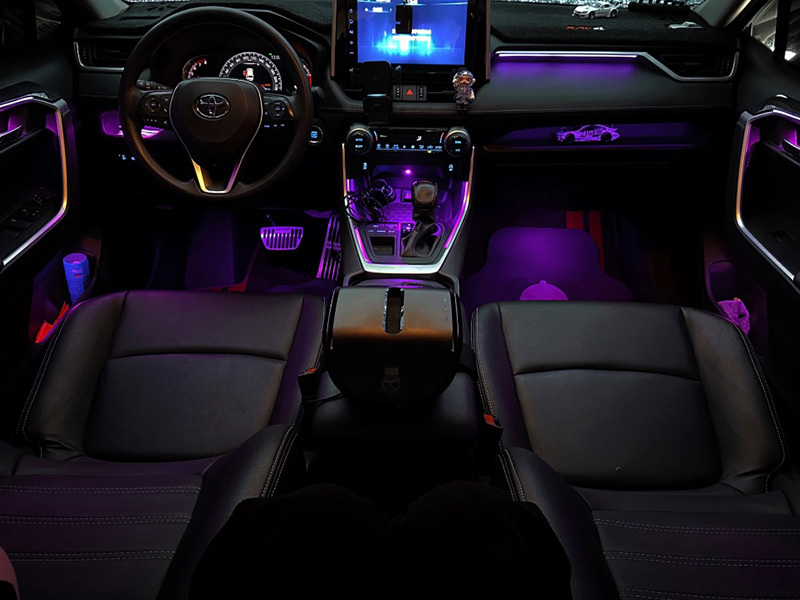
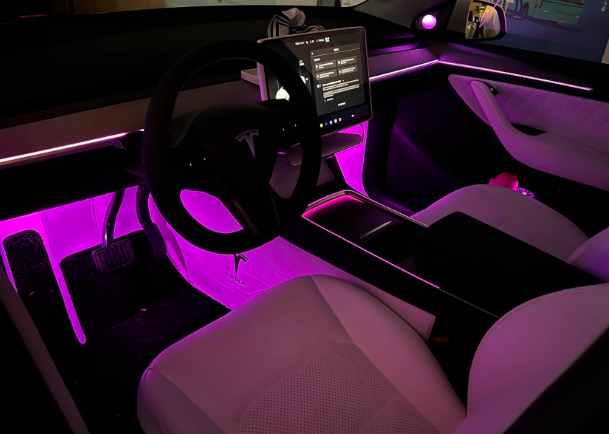
In today's automotive landscape, the push for energy efficiency is more crucial than ever. With rising fuel costs and increasing environmental concerns, manufacturers are continuously seeking innovative solutions to optimize vehicle performance. One such advancement is the integration of **air vent lighting systems**. These systems not only enhance the aesthetic appeal of vehicles but also significantly contribute to energy efficiency. In this article, we will delve into the mechanics of air vent lighting, its benefits, and the future it holds within the automotive industry.
What is Air Vent Lighting?
**Air vent lighting** refers to the use of lighting systems incorporated within the air vents of a vehicle's interior. This technology employs energy-efficient light sources, often utilizing LED technology, to illuminate the vehicle's cabin while providing functional benefits such as guiding airflow and enhancing visibility. The integration of these lights is designed not only to enhance safety but also to minimize energy consumption, creating a dual benefit for users.
The Importance of Energy Efficiency in Vehicles
**Energy efficiency** in vehicles is pivotal for several reasons. Firstly, it reduces fuel consumption, leading to lower operational costs for vehicle owners. Secondly, enhanced energy efficiency results in reduced emissions, contributing positively to the environment and compliance with increasingly stringent regulations. Lastly, consumers are more inclined to purchase vehicles that showcase advanced energy-saving technologies, making it an essential factor for manufacturers to consider in their designs.
How Air Vent Lighting Works
The mechanics behind **air vent lighting** are rooted in the effective combination of airflow dynamics and lighting technology. Here’s a breakdown of how it functions:
Integration with Vehicle HVAC Systems
Air vent lighting is closely integrated with the vehicle's heating, ventilation, and air conditioning (HVAC) systems. The lights are designed to activate in conjunction with the airflow, illuminating the cabin effectively when air is being circulated. This means that the lighting is not just a decorative feature but a functional component that improves user experience.
LED Technology
Most air vent lighting systems utilize **LED lights** due to their energy efficiency and longevity. LEDs consume significantly less power compared to traditional incandescent bulbs, translating into reduced electrical load on the vehicle's battery and alternator. This efficiency means that vehicles equipped with such systems can offer longer battery life and improved performance.
Dynamic Lighting Features
Many modern air vent lighting systems also incorporate dynamic lighting features. These can adjust based on the intensity of ambient light or user preferences, enhancing the vehicle’s luxury feel while ensuring that energy consumption remains minimal.
Benefits of Air Vent Lighting for Energy Efficiency
The implementation of air vent lighting systems in vehicles carries several benefits that contribute directly to energy efficiency.
Reduction in Energy Consumption
By utilizing energy-efficient light sources such as LEDs and optimizing their usage according to vehicle operation, air vent lighting systems help reduce overall energy consumption in the vehicle. This reduction not only benefits the environment but also enhances the vehicle's fuel efficiency.
Enhanced User Experience
A well-lit interior, particularly in the area of the air vents, improves the overall user experience. Drivers and passengers can easily navigate the vehicle's controls and settings, ensuring safety and comfort during travel. This enhanced visibility is particularly beneficial during nighttime driving or in low-light conditions.
Increased Vehicle Value
Vehicles equipped with advanced features like air vent lighting are often perceived as more modern and luxurious. This can increase the resale value of the vehicle, making it an attractive investment for consumers.
Lower Maintenance Costs
The long lifespan of LED lights means that vehicle owners will face fewer maintenance issues related to lighting. This longevity reduces the need for frequent replacements, contributing to lower overall operating costs.
Design Considerations for Air Vent Lighting Systems
When integrating air vent lighting systems, manufacturers must consider several design elements to optimize functionality and aesthetics.
Placement of Lights
The placement of air vent lights should be strategic to ensure maximum visibility without causing distractions to the driver. Proper positioning can enhance airflow guidance while simultaneously illuminating the cabin effectively.
Color Temperature and Luminosity
Manufacturers should also consider the **color temperature** and luminosity of the lights used in air vent systems. Warmer light tones may create a more inviting atmosphere, while cooler tones can provide a more modern feel. Adjusting luminosity based on ambient light conditions can further enhance user experience.
Integration with Smart Technologies
As vehicles become increasingly integrated with smart technologies, air vent lighting can also evolve. Future designs may allow for customization via smartphone applications, enabling users to adjust lighting settings according to their preferences.
The Future of Air Vent Lighting in Automobiles
As the automotive industry continues to evolve, air vent lighting technology is poised for further innovation.
Integration with Autonomous Driving Features
With the rise of autonomous driving, air vent lighting could play a crucial role in signaling to both passengers and pedestrians. For example, the lights could change color or intensity based on the vehicle's driving mode, providing essential information about the vehicle’s actions.
Sustainability Considerations
As sustainability becomes a focal point in automotive design, manufacturers may seek to utilize recyclable materials and energy sources for air vent lighting systems. This shift not only aligns with consumer preferences but also promotes a greener automotive industry.
Advancements in Smart Technologies
The future will likely see further integration with smart technology, allowing for voice-activated controls and customizable lighting experiences. This could enhance the personalization of the driving experience, catering to individual preferences and comfort levels.
FAQs on Air Vents Light and Energy Efficiency
1. What are the main benefits of air vent lighting in vehicles?
Air vent lighting primarily contributes to energy efficiency by reducing energy consumption, enhancing user experience, increasing vehicle value, and lowering maintenance costs.
2. How do air vent lighting systems work?
These systems work by integrating with the vehicle's HVAC systems, utilizing energy-efficient LED technology, and featuring dynamic lighting capabilities that adjust based on environmental conditions.
3. Can air vent lighting improve fuel efficiency?
Yes, by reducing energy consumption through the use of LEDs and optimizing their operation, air vent lighting can indirectly contribute to improved fuel efficiency in vehicles.
4. What design considerations are important for air vent lighting?
Placement, color temperature, luminosity, and potential integration with smart technologies are critical design considerations that manufacturers should address.
5. What is the future of air vent lighting in vehicles?
The future may involve integration with autonomous driving features, increased sustainability efforts, and advancements in smart technology, enhancing both functionality and user experience.
Conclusion: The Impact of Air Vent Lighting on Energy Efficiency
In summary, air vent lighting represents a significant advancement in automotive design, contributing to energy efficiency while enhancing user experience. By integrating modern lighting technologies such as LEDs with vehicle HVAC systems, manufacturers can offer innovative solutions that not only reduce energy consumption but also elevate the overall aesthetic appeal of vehicles. As technology continues to evolve, the future of air vent lighting looks promising, paving the way for smarter, more efficient vehicles that cater to the needs of modern consumers.
Related articles
Enhance Your Driving Experience with Signature Ambient Lighting!
Are you ready to transform your car’s interior and elevate your driving experience to a whole new level?
Unleash Your Car's Personality with Unique Car Mod Ideas
Are you tired of driving a mundane vehicle on the streets?
Bringing Luxury and Comfort to Your Drive: A Review of Vehicles with Ambient Lightings
As an automotive passionate, I have had the opportunity to test out various vehicles with ambient lighting
What color does the ambient light in the car look good
The color of the ambient lighting in the car depends on your personal preferences and the overall style of the vehicle interior. Generally speaking
Quick adjustment, light intensity, variety of colors; Enhance the visual experience inside the car; A romantic maker at night.
Contact Us
3/F, Building 5, Fenxitou Industrial Park, Minzhi Street, Longhua District, Shenzhen